Approximately drinking 1ml/kg of pure ethanol can lead to high blood ethanol concentration, which can be dangerous. Liver damage is likely to occur as a result of consuming potent ethanol. Death can even occur as a consequence of too much consumption or after one goes into a coma. In alcoholic beverages, even though ethanol is present, its percentage is very low. However, if ethanol is consumed in a more potent form or its pure form, the consequences can be devastating to the human body. Ethanol is even believed to be carcinogenic; however, further research still needs to confirm this.
Modern alcoholism
Our personalised aftercare plan will be designed in accordance with your unique is ethanol addictive set of circumstances and the challenges you will likely face upon return to your everyday life. Alcohol affects the production of hormones that regulate stress, mood, and energy levels. Psychological dependence is when a person starts to believe they need alcohol to function normally or feel okay.

What Is Ethanol Abuse?
These withdrawal symptoms can make quitting alcohol extremely difficult, as the body is now physically dependent on it. When someone drinks alcohol, the body produces neurotransmitters that create feelings of pleasure and relaxation. Long-term alcohol use can lead to dependence, causing the individual to experience physical withdrawal symptoms like shaking, sweating, and nausea if they try to stop alcohol use. People with this condition can’t stop drinking, even if their alcohol use upends their lives and the lives of those around them. While people with this condition Substance abuse may start drinking again, studies show that with treatment, most people are able to reduce how much they drink or stop drinking entirely.
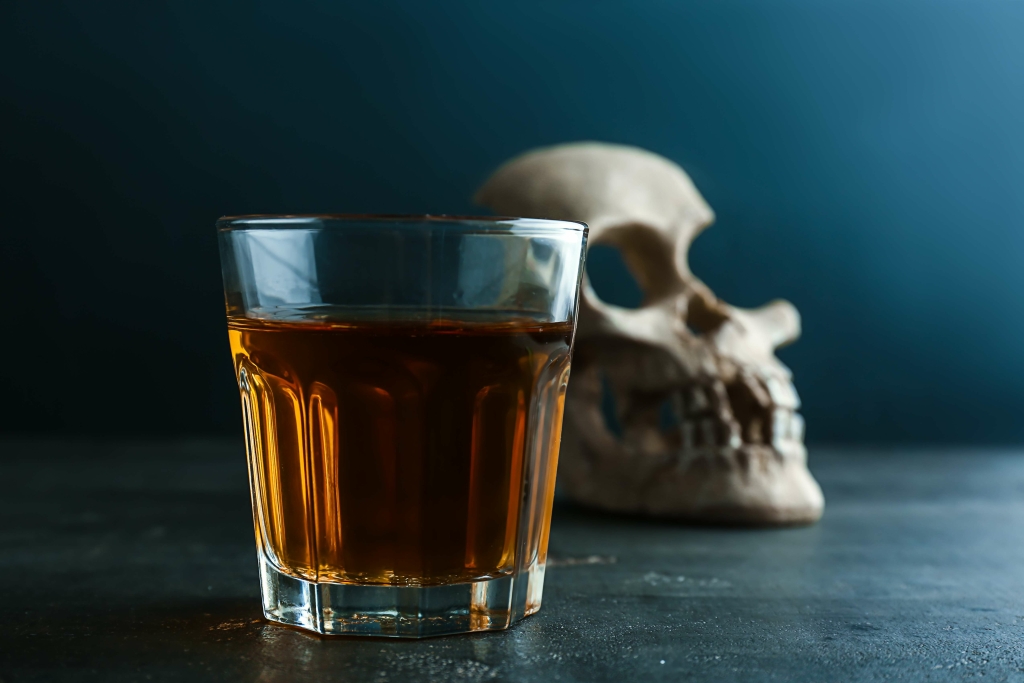
How alcohol abuse affects the body
The prefrontal cortex, the part of the brain responsible for impulse control and decision-making, continues to develop into early adulthood. Alcohol use can interfere with this process, leading to problems with self-control and decision-making later in life. Early drinking can also affect the brain’s ability to learn from mistakes and rewards, making it challenging to stop drinking even when there are adverse consequences. Alcohol also alters brain chemistry and how the brain works, leading to a https://aodevelopers.com/amphetamine-addiction-treatment-rehab-center/ vicious cycle of heavy drinking and neurotransmitter production. The more neurotransmitters are released, the greater the euphoria and the desire to keep drinking.
- Mood swings, irritability, and risky behaviors such as driving under the influence or engaging in unprotected sex are common behavioral signs of ethanol abuse.
- It can be found in homes and at family gatherings, barbecues, restaurants, nightclubs, movie theaters, and resorts, among many other places.
- Because denial is common, you may feel like you don’t have a problem with drinking.
- Whether you are seeking intensive outpatient care or simply need guidance on your mental health journey, we are here to help.